From Invisible Illness to Impact
The Williams Foundation was founded by Riley Williams to turn personal experience into service.
After experiencing invisible illness and physical limitation, Riley knows what it feels like to face challenges that other people cannot always see. Invisible disabilities and chronic illnesses can affect every part of life, including school, work, relationships, mental health, finances, and a person’s sense of independence.
Because these challenges are not always visible, they are often misunderstood or minimized. Many people living with invisible illness can look fine from the outside while still dealing with pain, fatigue, uncertainty, limitations, or barriers that others may never fully notice.
The Williams Foundation was created to help make those unseen struggles more visible.
Why I Started The Williams Foundation
I started The Williams Foundation because I wanted to use my own experience for something beyond myself.
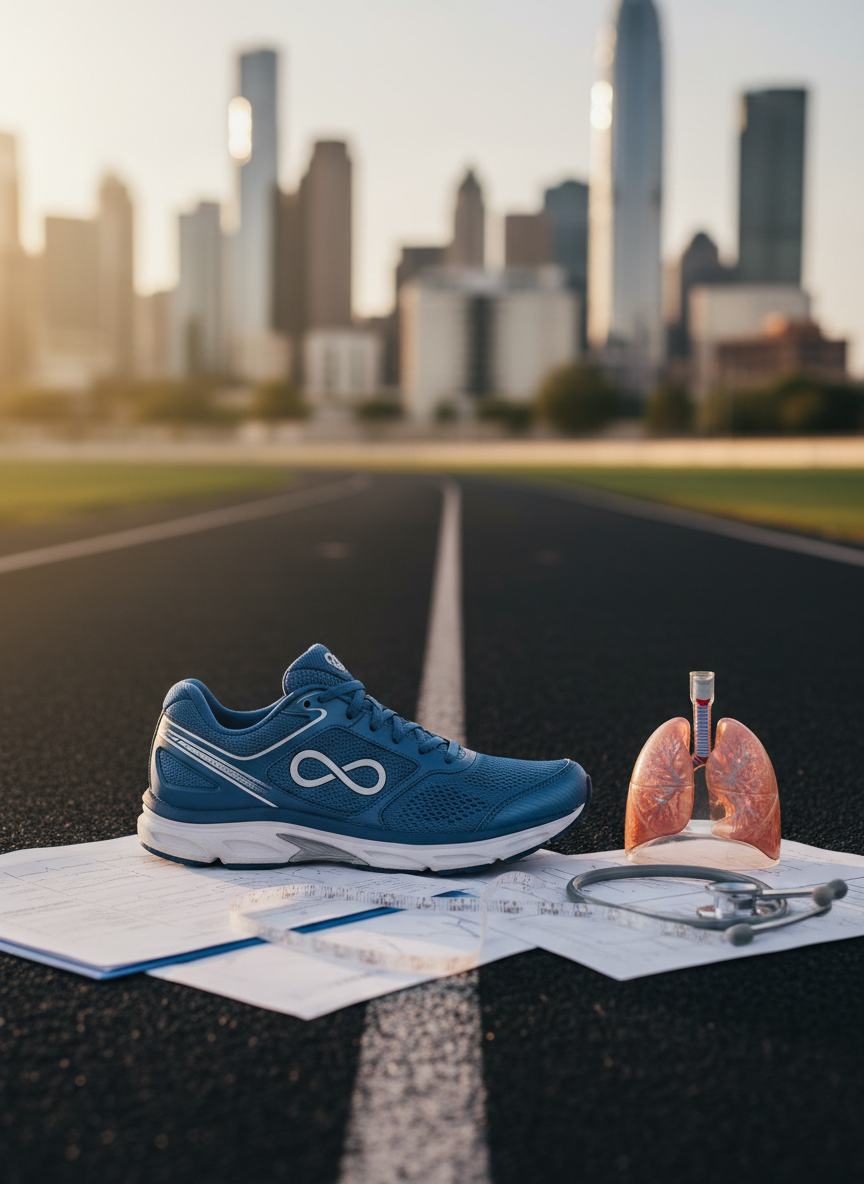
There was a time when running, training, and pushing my body physically did not feel possible. Now that I am in a better position, I do not want to take that ability for granted. Running has become more than a personal goal. It has become a way to use my regained physical capacity to help others.
The Foundation allows me to connect my personal story with practical action. Through races, fundraising campaigns, education, and community outreach, I want to raise awareness for invisible disabilities and chronic illness while supporting organizations that help people facing illness, disability, poverty, and social barriers.
For me, this work is about turning endurance into impact.
Why Running
Running is central to The Williams Foundation because it represents something I once could not fully do.
Every race is a reminder that physical capacity is not guaranteed. For many people living with invisible illness or disability, movement, energy, and health can change quickly. What may seem simple to one person can be difficult or impossible for another.
That is why I use running as a public act of awareness.
Each run is not just about distance or time. It is about raising money, starting conversations, and showing support for people whose challenges are often unseen. By running, I hope to make invisible struggles more visible and connect personal endurance to community care.
Why Invisible Disabilities, Chronic Illness, and Related Causes
Invisible disabilities and chronic illnesses are often overlooked because people cannot always see them. Someone may look healthy while dealing with pain, fatigue, medical uncertainty, mobility challenges, mental health struggles, neurological symptoms, or other serious limitations.
This lack of visibility can lead to isolation, disbelief, stigma, and a lack of support.
The Williams Foundation focuses on invisible disabilities and chronic illness because these experiences deserve more recognition, compassion, and practical support. At the same time, illness and disability are often connected to broader challenges, including financial stress, food insecurity, social isolation, unequal access to care, and barriers to work, school, and community life.
That is why the Foundation also supports related causes connected to poverty relief, health equity, community care, and social well-being. The goal is to recognize how these issues connect and turn awareness into action.
My Commitment
As Founder of The Williams Foundation, my commitment is to keep building this work with honesty, transparency, and measurable impact.
That means:
- Running and fundraising for meaningful causes
- Sharing educational resources about invisible disabilities and chronic illness
- Supporting organizations that are doing real community work
- Using my leadership roles to raise awareness
- Tracking the funds raised and impact created
- Building a community around service, accessibility, and care
The Williams Foundation is not only about running. Running is the vehicle. The mission is broader: to raise awareness, build understanding, and support people whose struggles are often invisible.

